Kimetsu no Yaiba: Hinokami Chronicles 2 – Why It Deserves a Spot Among Today’s Top Anime Games
Introduction
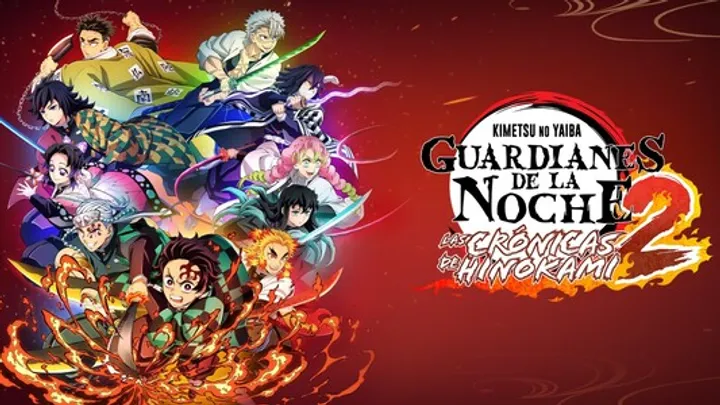
Kimetsu no Yaiba: Hinokami Chronicles 2 represents a major leap forward in anime-based action games. Instead of discussing it broadly, this article focuses deeply on a specific issue: how the sequel elevates the mechanics, combat systems, and narrative presentation to position itself among the top anime games globally. This analysis breaks down how the game competes with the leading action titles by refining breathing techniques, enhancing animation fidelity, rebuilding boss encounters, and redesigning ranked online modes. Each section explains why Hinokami Chronicles 2 stands tall among top games across all genres—not just anime titles.
 1. Why Hinokami Chronicles 2 Earns Its Position Among Top Anime Games
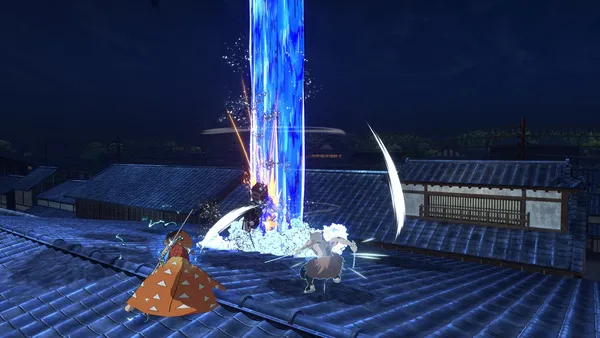
The first game established a strong foundation, but the sequel positions itself directly beside top anime games through its overhaul of combat and cinematic storytelling.
Hinokami Chronicles 2 addresses major weaknesses from the first entry. It improves movement responsiveness, adds more combo depth, and introduces new breathing transformations. This aligns it more closely with top fighting-action hybrids like Naruto Storm, Dragon Ball Fighters, and Demon Slayer: The First Flame.
The sequel distinguishes itself by merging precise close-combat mechanics with emotionally driven story presentation. This blend elevates it beyond typical anime adaptations and into the echelon of top-tier action titles that appeal to both fans and competitive players.
2. How the New Combat System Puts the Game Among Today’s Top Fighting Titles
Top games thrive on fluid combat, and Hinokami Chronicles 2 transforms its system into something far superior to its predecessor.
The biggest improvement lies in its expanded breathing style mechanics. Each breathing form now includes stance transitions, chainable techniques, and conditional follow-ups. This makes the combat feel more like a modern fighting game rather than a simple arena brawler.
The sequel also introduces Guard Break counters, aerial cancels, and resource-based Final Forms, bringing it closer to top competitive titles. These mechanics make every battle feel intense, reactive, and skill-based—something only top games manage to achieve consistently.
3. Why Character Variety Surpasses Most Top Anime Games
One common issue in anime titles is shallow character variety. Hinokami Chronicles 2 breaks this pattern.
Each character now features unique skill trees, customizable breathing styles, and synergy interactions. Instead of being simple reskins with minor damage variations, characters behave as fully realized fighters with distinct combos and mobility styles.
This positions the game alongside top titles with deep rosters, like Tekken or Guilty Gear, offering meaningful differences between characters rather than aesthetic diversity alone.
The character diversity ensures long-term replayability—one of the essential traits shared by the top games in the fighting and action genres.
4. How the Story Mode Rivals the Presentation Quality of Top Cinematic Games
Top games are often defined by memorable storytelling. Hinokami Chronicles 2 dramatically upgrades its story mode by blending gameplay with anime-level cinematography.
Cutscenes are now animated with hybrid 2D–3D transitions, capturing the emotional weight of the Swordsmith Village Arc and the Hashira Training storyline. Boss sequences flow seamlessly into narrative moments, mimicking the style of top cinematic games like Final Fantasy, God of War, and Cyberpunk 2077.
This enhanced storytelling gives the game a premium feel, making it compete not only with top anime games but also narrative-heavy AAA titles.
5. How Boss Battles Achieve a Level of Intensity Found Only in Top Action Games
Hinokami Chronicles 2 significantly improves boss fights, making them one of the reasons it stands among top action titles.
Bosses now feature multi-stage patterns, breakable armor phases, and real-time transitions. Fighting Upper Rank demons requires learning attack cues similar to soulslike titles, adding strategic depth rarely seen in anime action games.
Cinesthetic mechanics—where movement and camera angles change based on player performance—turn each fight into a high-stakes duel. This approach imitates the spectacle found in top cinematic action games while retaining the rhythm of a traditional brawler.
 6. Why Animation Quality Places the Game Among the Best-Looking Top Anime Titles
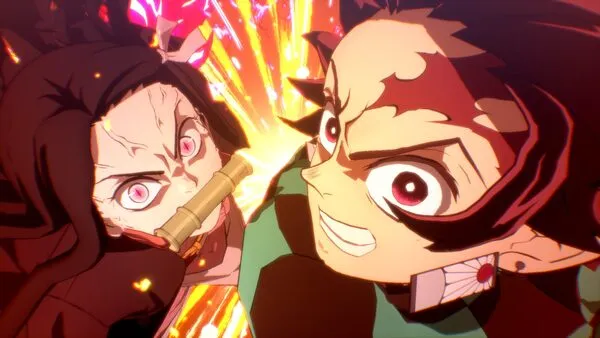
Animation fidelity is one of the biggest reasons anime games succeed or fail. Hinokami Chronicles 2 pushes its visual design into top-game territory.
Breathing techniques are animated with dynamic particle effects and refined motion blur. Fire, mist, thunder, and stone techniques look more alive and reactive. Characters’ hair, clothing, and weapon trails respond to movement in realistic ways, enhancing immersion.
The commitment to polished animation rivals the presentation of top anime games and even some high-budget anime films. This visual upgrade plays a crucial role in establishing the game among top titles.
7. How Online Modes Improve the Game’s Ranking Among Top Competitive Titles
Competitive play is a defining trait for many top games, and Hinokami Chronicles 2 significantly improves its online systems.
The sequel introduces rollback netcode—a must-have feature for competitive fighting games. Ranked modes now include seasonal ladders, skill-based matchmaking, and team-synergy scoring. These improvements elevate the game closer to top esports titles.
Team loadouts also play a strategic role. Players can mix breathing styles, character perks, and assist choices, adding layers of competitive depth comparable to top fighting titles.
These online improvements give the game long-term life, one of the core characteristics of top games.
8. Why Exploration Elements Make It Stand Out Among Top Adventure Games
Hinokami Chronicles 2 expands beyond pure arena combat. New semi-open areas provide exploration challenges that enhance pacing and variety.
Players can traverse villages, mountains, forests, and training grounds. These exploration segments incorporate puzzles, collectible lore, and environmental training missions that help develop mastery of breathing styles.
This expanded world design mirrors elements from top adventure titles like Genshin Impact and Ghost of Tsushima, helping the sequel stand out among anime-based games that traditionally ignore exploration.
 9. How New Difficulty Curves Mimic Techniques Found in Top Skill-Based Games
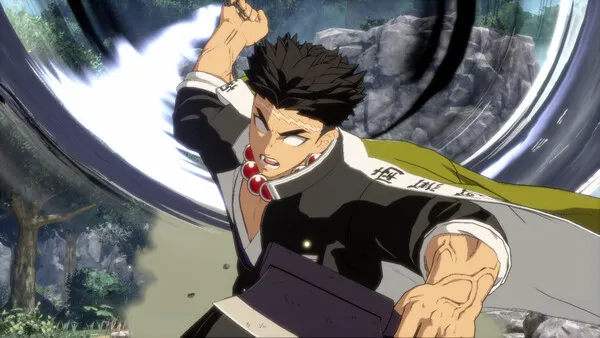
Difficulty balancing is one of the most important features of top games, and the sequel excels in this area.
Enemies scale intelligently based on player skill. Bosses evolve patterns based on aggressive or defensive tendencies. Instead of predictable AI, each fight feels personalized.
The training system also includes advanced performance tracking—similar to top rhythm and skill-based titles—which helps players improve by highlighting timing errors, spacing habits, and combo inconsistencies.
This emphasis on skill development positions Hinokami Chronicles 2 closer to the top action titles where mastery is rewarded.
10. Why Hinokami Chronicles 2 Earns Its Place Among Top Games of the Genre
The sequel succeeds because it respects the formula that elevates top games: rich mechanics, polished presentation, replay value, competitive structure, and emotional storytelling.
By refining combat, enhancing animations, expanding exploration, improving online modes, and delivering cinematic narrative quality, Hinokami Chronicles 2 becomes more than a licensed anime game. It becomes a top-tier action experience that rivals the best games across multiple genres.