






Routine is a first-person sci-fi horror game set on an abandoned lunar base, where silence is more threatening than noise and every corridor hides something waiting for you to slip. Surviving in Routine is not about firepower but about awareness, discipline and smart decision-making. This article is a complete 3000-word “how to” guide that walks you step-by-step through mastering the game’s environment, tools, threats and psychological pressure. Each section is arranged in a meaningful timeline that mirrors your progression from the moment you land on the desolate moon to the moment you finally understand what it takes to escape alive.
Below are ten major sections, each with two to three in-depth paragraphs, including sub-sections and tips where helpful. No gạch ngang. H2 titles follow Your Format: Each Word Capitalized.
First Steps On The Lunar Surface
Your journey in Routine begins with the descent onto the moon, where the unsettling quiet builds tension even before the real threats appear. Your first objective is to understand the overall atmosphere and movement style. Unlike other horror games that allow running freely, Routine demands careful pacing. Every step echoes unnervingly and risks attracting unwanted attention, even if you haven’t yet seen what hunts inside the station. The slow, weighty movement is intentional: the game wants you to respect your environment immediately.
Once you reach the entry point of the Lunar Complex, pause before rushing in. Routine rewards players who examine the exterior structure first. Look for emergency panels, alternative entrances and small utility doors that may later serve as shortcuts or escape routes. Memorizing these early paths will save your life later when panic sets in and the game expects you to run by instinct rather than thought.

Understanding The Lunar Complex Layout
The Lunar Complex is designed like a maze of narrow corridors, heavily shadowed corners and sudden vertical drops. Navigating the environment effectively is the key to survival. Each wing of the station serves a distinct purpose: research labs, dormitories, storage bays, mechanical rooms and observation decks. Although the map is interconnected, it never feels redundant because every room contains story fragments, useful items or hazards.
To survive long-term, mentally map the station instead of relying on icons or automatic waypoints. Routine intentionally removes modern UI conveniences so that you feel vulnerable. Think of the complex as a living organism: some corridors loop back, some branch into dead ends, and some conceal maintenance tunnels that bypass dangerous zones. Whenever you enter a new sector, slowly walk the perimeter, locate hiding spots and note escape routes. This habit prevents you from being cornered when machines begin patrolling the area.
Managing Light And Visibility
Routine uses light not only as an atmosphere tool but as a gameplay mechanic. Darkness often protects you, but it also blinds you during escape attempts. Conversely, shining a flashlight helps you see enemies but also helps enemies see you. You must find balance.
Flashlight management is essential. Use it sparingly and only when scanning rooms for clues or hazards. When navigating hallways, consider using peripheral lighting such as glowing panels, emergency strips or flickering monitors to guide movement. Mastering movement in darkness is one of the biggest advantages you can have because machines rely on motion and sound more than on pure sight. If you keep quiet and avoid sudden bright beams, you may pass by lethal threats unnoticed.
Learning To Read Environmental Cues
Routine’s sound design is one of the game’s most intelligent systems. Instead of sharp monster growls or scripted jumpscares, Routine relies on tiny mechanical noises: servo whirs, metal tapping, or the faint scraping of a distant machine shifting position. Training your ear is critical.
Visual cues are equally important. Study wires on the ground, flickering screens, scorch marks and moving shadows. These aren’t random details. They often indicate nearby activity, malfunctioning systems or previous human attempts at escape. Treat every anomaly as a warning. Over time, you’ll notice patterns: a hallway that looks “too clean” may hide an ambush, while cluttered maintenance rooms often offer more hiding options. Once you learn to interpret these signals, the station becomes less mysterious, though never less threatening.
Approaching Hostile Machines Safely
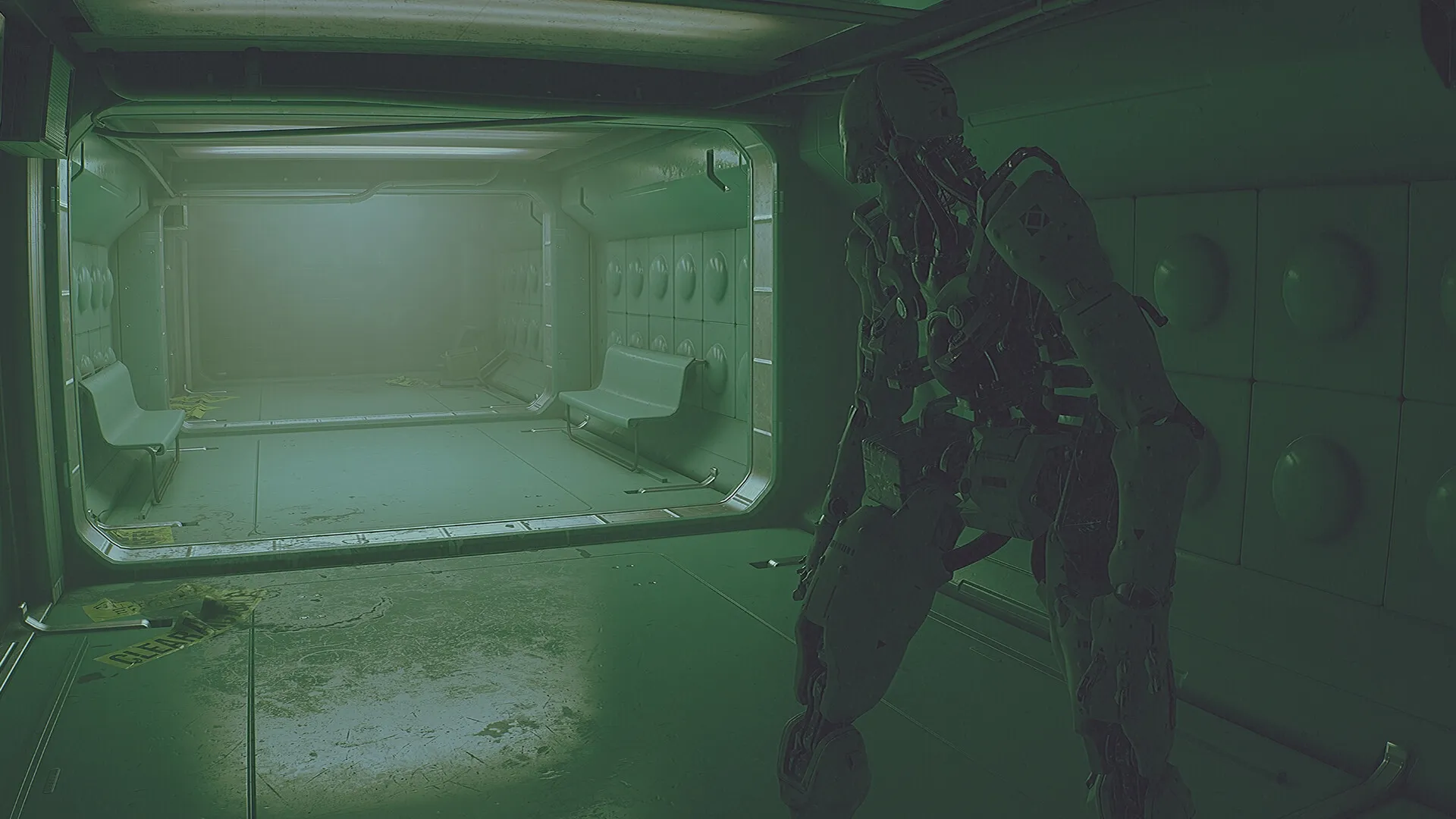
Machines in Routine are not conventional enemies. They are unpredictable, fast and programmed to behave like suspicious patrol units rather than aggressive monsters. They rarely scream or charge recklessly; instead, they stalk, analyze and react intelligently.
To approach them safely, first listen for mechanical signatures: a soft ticking, the rotation of a sensor, or the faint compression of hydraulics. When you confirm their location, crouch and move slowly. Never sprint unless escaping. Maintain distance and don’t look directly at them for too long, as sudden head movements may trigger their attention.
When interacting within the same room as a machine, rely on cover such as desks, machinery or pressure tanks. Keep an exit route in mind at all times. If you must cross their patrol path, time your steps with their scanning cycles. Patience is always safer than bravery in Routine.
Using Tools And Devices Effectively
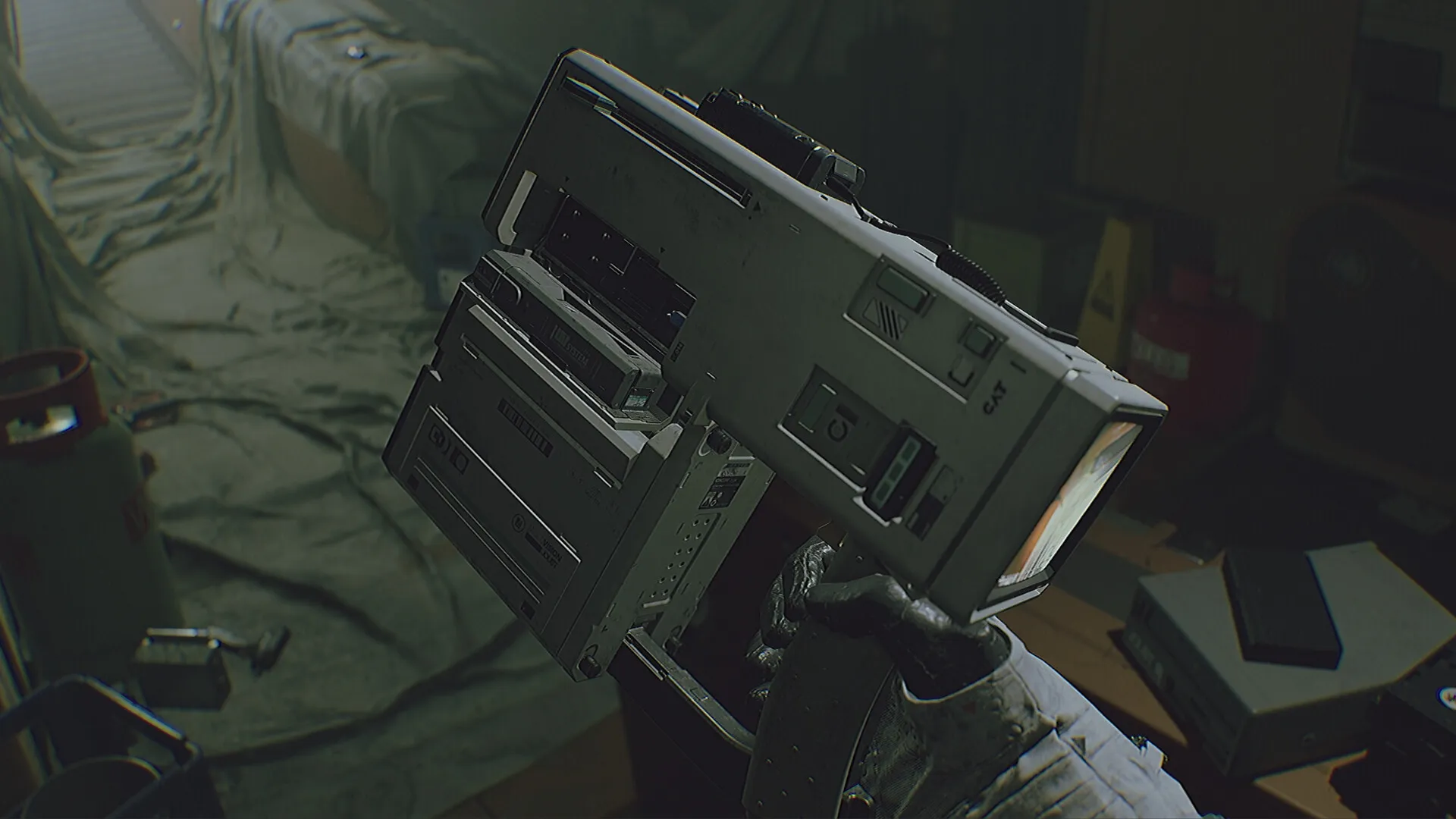
Routine provides tools that are subtle yet powerful when used properly. The primary gadget is your handheld hacking device. It allows you to unlock doors, shut down faulty panels, and occasionally interfere with machine behavior. But its use carries risk: the device emits a short burst of noise whenever activated.
Use hacking only when necessary. Before interacting with a console, scan the surroundings for threats and ensure you have a safe corridor nearby. Some advanced terminals allow you to reroute power, activating lights or opening sliding gates in the distance. These actions may shift enemy patrol patterns, sometimes favorably and sometimes not.
A list of key tools includes:
• Hacking device for terminal access
• Flashlight for scanning hazards
• Audio recorder for story clues
• Emergency power nodes that activate short-range systems
Learning how these tools overlap—and when to leave them unused—is what separates skilled players from doomed ones.
Mastering Stealth Movement
Routine’s stealth system feels natural but punishing. You must blend slow pacing, deliberate decision-making and controlled breathing. Running is almost always a mistake unless you’re escaping immediate danger.
When sneaking through active zones, crouch low and move in rhythm with ambient noises like air vents or clanking pipes. Staying still is surprisingly effective; machines detect motion far more than stationary shapes. If a machine enters your area, freeze and observe its behavior instead of fleeing blindly. Once you understand its pattern, you can move again.
Stealth becomes easier if you create mental “safe pockets” across the complex: corners with heavy shadows, maintenance shafts or equipment piles. Rotate between these pockets like stepping stones as you traverse dangerous rooms. This approach ensures that you always have a place to retreat during sudden mechanical intrusions.
Escaping Danger And Surviving Encounters
Even with careful stealth, you will eventually be detected. When that happens, the first rule is simple: don’t panic. Panic leads to loud footsteps, wrong turns and fatal dead ends. Instead, rely on the escape routes you memorized earlier.
Effective escapes require tight turns and taking advantage of environmental clutter. Machines sometimes hesitate in narrow spaces or when navigating around large obstacles. If you break line of sight quickly, they often lose interest after a short search period. Once hidden, remain silent and wait for at least thirty seconds before moving again.
If you are cornered, look for interactable elements: sliding doors, ventilation passages or emergency shutters that can be activated through nearby panels. Quick thinking during escape sequences often makes the difference between life and death.
Maintaining Psychological Stability
Routine is designed to wear you down psychologically. Isolation, low lighting, sparse audio and unclear enemy patterns combine to create continuous stress. If you rush through the game while anxious, you’ll make mistakes. The key is emotional discipline.
One strategy is to break the map into manageable segments. Complete one goal at a time, then retreat to a safe area for a moment to recalibrate. Another is to analyze threats logically rather than emotionally. Machines behave according to consistent rules; once you understand these rules, fear turns into caution rather than panic.
Remember that the game wants you to feel watched even when you are not. By accepting fear as part of the environment, you regain control over your actions. Patience is your most valuable psychological tool.
Reaching The End And Making Final Decisions
The final phase of Routine asks you to apply everything you’ve learned: environmental navigation, stealth mastery, tool management and emotional control. The last sectors of the complex are heavily damaged, with unstable floors, malfunctioning cameras and increasingly aggressive machine behavior.
As you approach the core systems, the game presents moral and strategic choices. These decisions determine not only survival but also what you uncover about the station’s past and the nature of the machines themselves. Rushing leads to mistakes, while thoughtful exploration reveals deeper truths.
Your exit from the Lunar Complex is never guaranteed. Each choice you make echoes through the final sequences, forcing you to weigh the risks of curiosity against the desire to escape. Whether you leave with answers or with nothing but fear depends on how well you internalized the lessons from the earliest moments of the game.
Conclusion
Routine is a unique blend of slow-burn horror, environmental storytelling and unforgiving stealth mechanics. To survive, you must treat the station like a puzzle of danger and opportunity—one that rewards patience, listening and learning from every mistake. By mastering movement, light, tools, psychology and enemy behavior, you transform from a frightened explorer into a deliberate survivor capable of navigating the moon’s most terrifying secrets.