







Introduction
Watering is the backbone of plant growth in Grow a Garden, and mastering watering efficiency is one of the most powerful skill sets players can develop. While many players assume watering is a simple and repetitive task, the truth is that optimized watering techniques dramatically reduce growth time, increase yield quality, and speed up overall progression. Efficient watering allows you to manage larger gardens, maintain healthier plants, and produce more crops per hour—all without burning through energy or time unnecessarily. This complete guide explores everything you need to know about watering in both early- and late-game scenarios. From timing strategies to zone-based watering, tool upgrades, and advanced hydration loops, this guide provides a deep, actionable, step-by-step blueprint for players who want to become true watering experts.
1. Understanding How Watering Affects Growth Rates

Water is not just a refresh mechanic—it is an engine for accelerated growth. Each plant in Grow a Garden has a hydration threshold that determines how quickly it grows. When your plant’s hydration level is above the optimal threshold, it grows significantly faster. Below that threshold, the plant slows down, losing hours of efficiency over time.
Every plant has hydration phases, and each phase responds differently to water. The early growth stage typically requires light but consistent watering, while mid-stage growth benefits from higher hydration to push plants toward maturity. Many players overwater in early stages and under-water during the crucial middle phases. Efficient gardeners understand how hydration curves work and ensure their plants stay in the high-growth zone as much as possible.
Mastering this fundamental mechanic sets the foundation for all advanced watering techniques. Understanding hydration curves helps you avoid wasted time and ensures every watering action contributes meaningfully to faster, smoother progression.
2. Planning Your Watering Route for Maximum Efficiency
The layout of your garden directly affects how quickly you can water your plants. If you water plants in a random order, you waste precious seconds moving inefficiently. Efficient watering begins with a planned, predictable route that minimizes movement, reduces misclicks, and avoids unnecessary backtracking.
The most effective approach is to design a looping pattern—such as a U-shape or spiral—that lets you water each plant in a continuous motion. A route that flows logically from one plant to the next helps maintain rhythm and reduces time lost between actions. This is especially important as your garden expands because a poorly planned route becomes chaotic and drains your stamina rapidly.
Gardeners who adopt structured routes find that they can water significantly more plants using fewer resources. Even a few seconds saved per loop add up to minutes—and eventually hours—over long gameplay sessions, leading to measurable boosts in growth and harvest cycles.
3. Water Timing: When to Water and When Not to Water
Watering timing is just as important as the act itself. Many players overwater because they assume more water means more growth. But watering during the wrong stage can be wasteful or even counterproductive. Every plant has ideal hydration windows where watering produces a strong growth multiplier. Outside of those windows, the water provides little or no benefit.
The key is learning your crop’s hydration decay rate. Some plants lose water quickly, requiring frequent attention. Others hold hydration longer, meaning you can time your watering in fewer but more impactful sessions. Efficient watering schedules depend on these decay rates. Players who water on instinct—even experienced players—often waste up to 40% of their watering potential simply by not aligning with their plant’s hydration decay.
The best approach is to check hydration thresholds before watering and to use visual cues or timers when possible. By watering only during high-value timing windows, you reduce energy usage, improve plant health, and speed up growth dramatically.
4. Using Tools to Improve Watering Efficiency
Your watering tools play a crucial role in efficiency. Early watering tools have limited capacity and slow output, making watering tedious and resource-heavy. Upgrading your tools increases water capacity, reduces cooldown time, and allows you to water multiple plants more quickly.
The most impactful upgrades include:
• Increased water capacity
• Faster pour speed
• Wider spray radius
• Reduced stamina usage
• Auto-water features (mid/late game)
Choosing the right upgrade path changes how fast you progress. For example, investing in spray radius early lets you water multiple plants with one action, dramatically reducing the number of clicks required. In contrast, upgrading capacity alone might not improve efficiency if your layout is compact.
The smartest players focus on tools that reduce actions per watering cycle, allowing them to water hundreds of plants quickly. Tool mastery becomes essential once your garden reaches medium or large scale.
5. Managing Water Resources and Preventing Waste

Water is a limited resource in many game modes, meaning efficient water management becomes essential. Even in modes where water is unlimited, time and stamina function as indirect resources that you cannot afford to waste. Efficient water management involves understanding how much water each plant needs and avoiding unnecessary watering.
Overwatering wastes stamina and slows down your loops. Under-watering forces you to revisit plants too often. The most efficient gardeners strike a balance—never letting hydration drop too low but never wasting actions on plants that don’t need attention yet.
Using tools such as water meters, hydration indicators, or plant status icons helps you determine when watering is necessary. Some garden layouts incorporate dedicated irrigation lanes or reservoirs that reduce manual watering. Recognizing when to conserve water and when to apply it heavily is an important part of advanced watering strategy.
6. Optimizing Large Gardens Using Zone Watering
As your garden grows, watering every plant individually becomes impossible without advanced strategies. The solution is zone watering—dividing your garden into sections and applying hydration to each zone in scheduled cycles.
Zone watering works because plants in the same growth stage or type often share similar hydration needs. Grouping similar plants into dedicated zones allows you to water multiple crops at once, increasing your efficiency drastically.
The best zone strategies include:
• Crop-type zones
• Growth-stage zones
• Hydration decay zones
• Tool radius zones
• Fertilizer synergy zones
By implementing strategic zones, you reduce movement, conserve stamina, and maintain consistently high hydration across the entire garden. Zone watering is a foundational technique used by top players to manage huge late-game farms efficiently.
7. Advanced Hydration Techniques for Faster Growth
Beyond basic timing and routing, advanced hydration techniques can push plant growth to its absolute maximum. These techniques include multi-cycle watering, hydration stacking, and growth-phase targeting. Each technique takes advantage of how hydration multipliers work during different plant stages.
Multi-cycle watering involves applying water multiple times during high-growth phases to stack hydration bonuses. Hydration stacking is especially effective on crops with slow decay rates, allowing you to front-load growth acceleration. Growth-phase targeting focuses on watering heavily during mid-growth stages where growth multipliers are highest.
These strategies require careful planning and deeper understanding of plant behavior. When executed correctly, advanced hydration can shave hours off your crop cycles, giving you a competitive edge and allowing you to produce high-value crops faster than average players.
8. Integrating Fertilizers With Watering for Maximum Efficiency
Fertilizer is one of the most powerful supplements to watering. When combined correctly, water and fertilizer amplify each other, producing faster growth than either could achieve on their own. However, fertilizer is resource-intensive, so using it efficiently is essential.
The best fertilizer-water combinations occur when you apply fertilizer right before or right after watering during a crop’s growth surge. Doing this ensures the plant absorbs the maximum possible benefit. Fertilizers also extend hydration effects for certain crop types, making watering more efficient.
There are three main fertilizer strategies:
• Growth-phase fertilizer timing
• Zone-based fertilizer pairing
• High-value crop fertilizer investment
When combined with efficient watering techniques, fertilizers can boost yields significantly. Mastering fertilizer-water synergy is crucial for late-game gardening.
9. Automating Watering for Large-Scale Farms
Eventually, your garden will grow too large for manual watering. Automation becomes essential. Automated watering systems range from simple sprinklers to advanced programmable irrigation controllers. These systems maintain hydration levels consistently without requiring constant player interaction.
Automation allows you to:
• Maintain hydration during offline periods
• Keep large farms running efficiently
• Reduce repetitive manual actions
• Focus on high-level growth strategies instead of micro-management
Even with automation, you must place systems strategically. Poorly positioned sprinklers waste water and leave gaps in hydration. Smart placement ensures your automation system covers maximum plant area with minimal overlap.
Once automation is set up properly, your farm can run almost autonomously, producing consistent yields with very little effort.
10. Common Watering Mistakes and How to Avoid Them
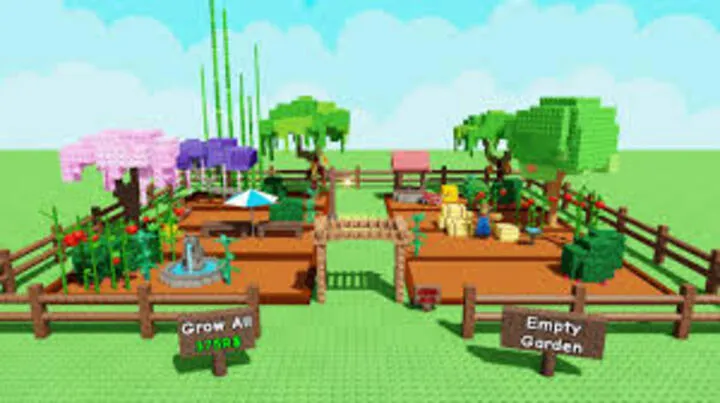
Many players unknowingly make watering mistakes that slow down their garden’s progress. One common mistake is watering too often, causing wasted stamina and lost efficiency. Another is watering too late, allowing plants to drop below optimal hydration levels.
Other mistakes include using outdated watering tools, ignoring hydration decay rates, failing to plan routes, and misplacing automated systems. These mistakes create growth delays and reduce your productivity without you even noticing.
The key to avoiding watering mistakes is awareness. Review your watering habits regularly and adjust based on what the plants actually need—not what you assume they need. Efficient gardeners always refine their techniques and adapt to their garden’s growth.
Conclusion
Mastering watering efficiency in Grow a Garden is one of the most impactful ways to accelerate your farming progress. Whether you’re managing small early-game plots or huge late-game farms, efficient watering determines how quickly your crops grow, how much energy you spend, and how rapidly you can expand. By understanding hydration mechanics, planning routes, timing your watering correctly, utilizing tools, managing resources, and implementing advanced techniques, you transform watering from a basic chore into a powerful strategic system. With these techniques, you‘ll unlock faster harvest cycles, improve crop health, and build a garden that thrives at every stage of gameplay.