Tomodachi Life: Living the Dream News Analysis: The Aging System Debate and How It Is Reshaping Long-Term Island Progression
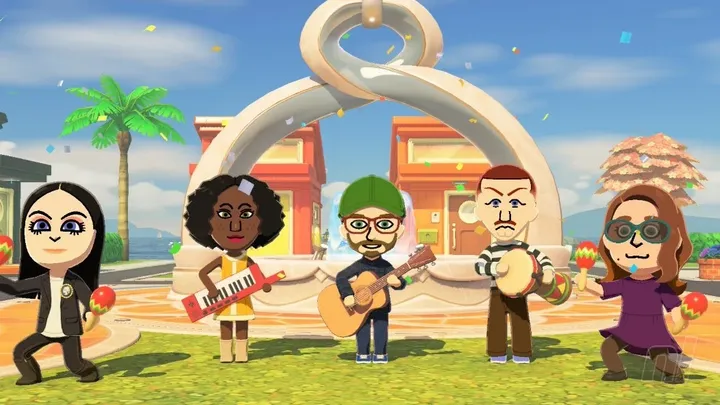
In Tomodachi Life: Living the Dream, one of the most controversial and widely discussed news issues in the community is the debate surrounding the game’s evolving aging system, long-term character progression, and generational island management.
At first, many players viewed aging mechanics as a simple immersion feature designed to make island life feel more dynamic and realistic. However, as players spent more time building long-term islands, concerns began growing about how aging systems affect relationship stability, character relevance, emotional attachment, progression pacing, and overall island identity.
Some players praised the feature for creating a stronger sense of realism and long-term storytelling. Others argued that the system introduces instability, emotional disruption, and progression imbalance that fundamentally changes how players manage their islands. Over time, the discussion evolved into one of the most important ongoing news topics surrounding the game’s future direction.
This article explores deeply how the aging system works, why the controversy became so important, how it affects gameplay progression, and what its long-term impact could mean for the future identity of Tomodachi Life: Living the Dream.
How the Aging System Changed the Original Island Formula
Earlier island systems focused heavily on static social interactions.
Characters maintained relatively stable identities over time.
What changed with aging mechanics
The new system introduced:
• Life-stage progression
• Changing social priorities
• Generational relationships
• Dynamic island evolution
Why the change felt significant
Players became more emotionally attached to long-term development.
Key insight
The game shifted from a simple life simulator into a multi-generational social ecosystem.
Why Some Players Strongly Support the Aging System
A large part of the community views the aging system positively.
Main arguments in favor
Increased realism
Miis feel more alive and dynamic.
Stronger storytelling
Families evolve naturally over time.
Long-term progression
Players become invested in island history.
Emotional immersion benefits
Watching friendships, marriages, and family structures evolve creates stronger emotional attachment.
Community perspective
Many players believe aging gives the island genuine life progression instead of repetitive loops.
The Growing Concern About Character Relevance Over Time
Despite positive feedback, many concerns emerged quickly.
One major issue
Older Miis sometimes become less socially active.
Why this creates frustration
Players often build islands around favorite characters.
When activity declines:
• Interactions decrease
• Social events slow down
• Emotional attachment weakens
Common criticism
Some players feel older Miis lose importance too aggressively.
How Aging Impacts Relationship Stability Across the Island
Relationship systems became more complicated after aging changes.
Positive effects
More realistic relationship evolution
Friendships shift naturally over time.
Family progression
Generational storytelling becomes possible.
Negative effects
Social fragmentation
Older friendships weaken unexpectedly.
Emotional instability
Relationship changes create island imbalance.
Key insight
The aging system increases realism but also increases unpredictability.
The Debate Around Generational Island Design
Generational gameplay is now one of the most divisive features.
Supporters argue
Generational systems create:
• Unique storytelling
• Dynamic island evolution
• Long-term replayability
Critics argue
The system causes:
• Loss of island identity
• Reduced attachment to original Miis
• Social inconsistency
Why this debate matters
Players approach the game differently:
• Some prioritize realism
• Others prioritize emotional continuity
How Aging Alters Daily Island Management Strategies
Island management changed dramatically after the update.
Old management style
• Stable relationship monitoring
• Consistent personality routines
• Predictable interaction patterns
New management challenges
• Evolving emotional states
• Generational balancing
• Dynamic social shifts
Important consequence
Players now need long-term planning instead of short-term reaction management.
The Emotional Impact of Long-Term Character Progression
One reason this topic became major news is emotional attachment.
Why players become emotionally invested
Miis represent:
• Friends
• Family members
• Personal creations
• Shared memories
Emotional reactions to aging
Some players enjoy:
• Realistic life progression
• Family growth
Others dislike:
• Social decline
• Changing island identity
Key insight
The controversy is emotional as much as mechanical.
Community Discussions About Progression Speed and Balance
Another major issue involves pacing.
Common pacing concerns
• Aging too quickly
• Relationship progression imbalance
• Reduced time with favorite Miis
Suggested community solutions
Adjustable aging speed
Allow player customization.
Optional aging systems
Enable flexible island styles.
Expanded life-stage events
Increase meaningful progression content.
Why balance matters
Different players want different island experiences.
How Content Creators and Online Communities Shape the Debate
The discussion expanded rapidly through online communities.
Content creator influence
Story-focused creators
Often support aging realism.
Casual creators
Sometimes criticize complexity increases.
Online community impact
Forums and social media amplified discussions about:
• Emotional attachment
• Progression pacing
• Island identity preservation
Result
The aging debate became one of the defining conversations around the game.
Potential Future Changes and Developer Challenges
The system will likely continue evolving.
Possible future adjustments
Customizable progression settings
Players choose pacing preferences.
Expanded family systems
More generational interactions.
Emotional balancing updates
Improve long-term stability.
Developer challenge
Balancing:
• Realism
• Accessibility
• Emotional consistency
• Replayability
Key principle
The system must evolve without damaging player attachment.
How the Aging Debate Is Redefining the Future of Tomodachi Life
The aging system affects the entire identity of the game.
Original game identity
• Casual social simulation
• Stable relationships
• Relaxed progression
New evolving identity
• Long-term life simulation
• Dynamic emotional systems
• Generational storytelling
Final insight
The future of Tomodachi Life: Living the Dream may depend on how successfully it balances realism with emotional permanence.
Conclusion
The aging system debate has become one of the most important news issues surrounding Tomodachi Life: Living the Dream. While the feature adds realism, emotional depth, and generational storytelling opportunities, it also introduces concerns about pacing, character relevance, relationship stability, and long-term player attachment. The community remains divided between players who embrace evolving island realism and those who prefer the consistency of traditional social systems. As developers continue refining progression mechanics, the long-term success of the game will likely depend on finding a balance between dynamic evolution and emotional continuity. Ultimately, the aging system represents more than a gameplay mechanic—it represents a shift in how players emotionally connect with their islands over time.