

The year 2025 marks one of the most transformative periods for Total War: WARHAMMER III, bringing a wave of updates that reshaped faction identity, battlefield behavior, economy balance, and the endgame flow. What began as a strong but uneven title has steadily evolved into what many fans now regard as the definitive Total War fantasy experience. This news feature explores the deepest mechanical and narrative shifts introduced throughout 2025, examining how each patch changed the moment-to-moment strategy, why players reacted strongly to certain decisions, and how the game’s future may be influenced by these shifts.
The following analysis breaks down each major part of the 2025 update cycle, moving through gameplay structure, AI redesigns, faction reworks, and late-game threats. It also explores what these changes mean for long-time fans and new players discovering the game for the first time.
The Strategic Landscape in 2025
The 2025 update roadmap focused heavily on stabilizing the core campaign experience. After years of incremental improvements, Creative Assembly delivered a set of revisions that made the strategic layer faster, more dynamic, and less prone to mid-campaign stagnation. The central philosophy behind these updates was simple: constant pressure and meaningful choices at all stages of the game.
A Shift Toward Persistent Conflict
With the new balancing passes applied across early and mid-game factions, players are far less likely to snowball uncontested. Enemy empires rebuild faster, neutral AI prioritizes expansion paths more intelligently, and diplomatic blocs form earlier. Even factions previously known for slow openings now have clearer economic and military identities that encourage interaction with the map rather than turtling.
A Rebuilt Economic Model
A standout change in 2025 was the recalibration of income sources. Gold generation from passive building chains was reduced, while active sources such as battles, quests, and regional dominance bonuses were buffed. This created a new rhythm that rewards aggressive, decisive play. For many factions, sitting still is now riskier than expanding—a welcome change that keeps the map alive and unpredictable.
Faction Reworks that Defined the Year
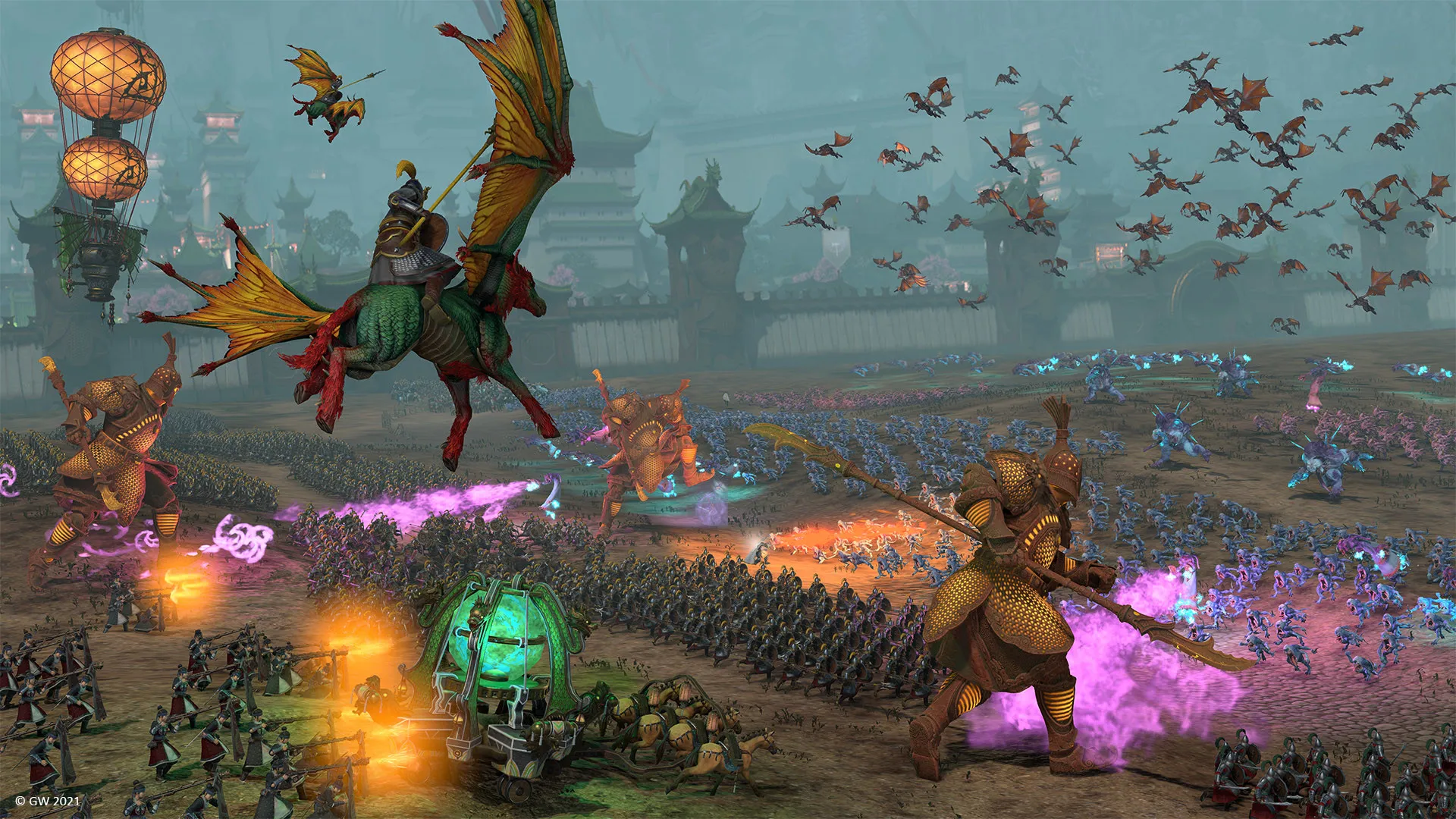
2025 introduced some of the most substantial faction reworks in the series’ history. These weren’t only number changes but mechanical redefinitions designed to tighten lore accuracy and improve gameplay fantasy. Three categories stood out: revamps to Chaos factions, rebalancing of Order races, and quality-of-life redesigns for horde-style campaigns.
Chaos Factions Gain New Threat Layers
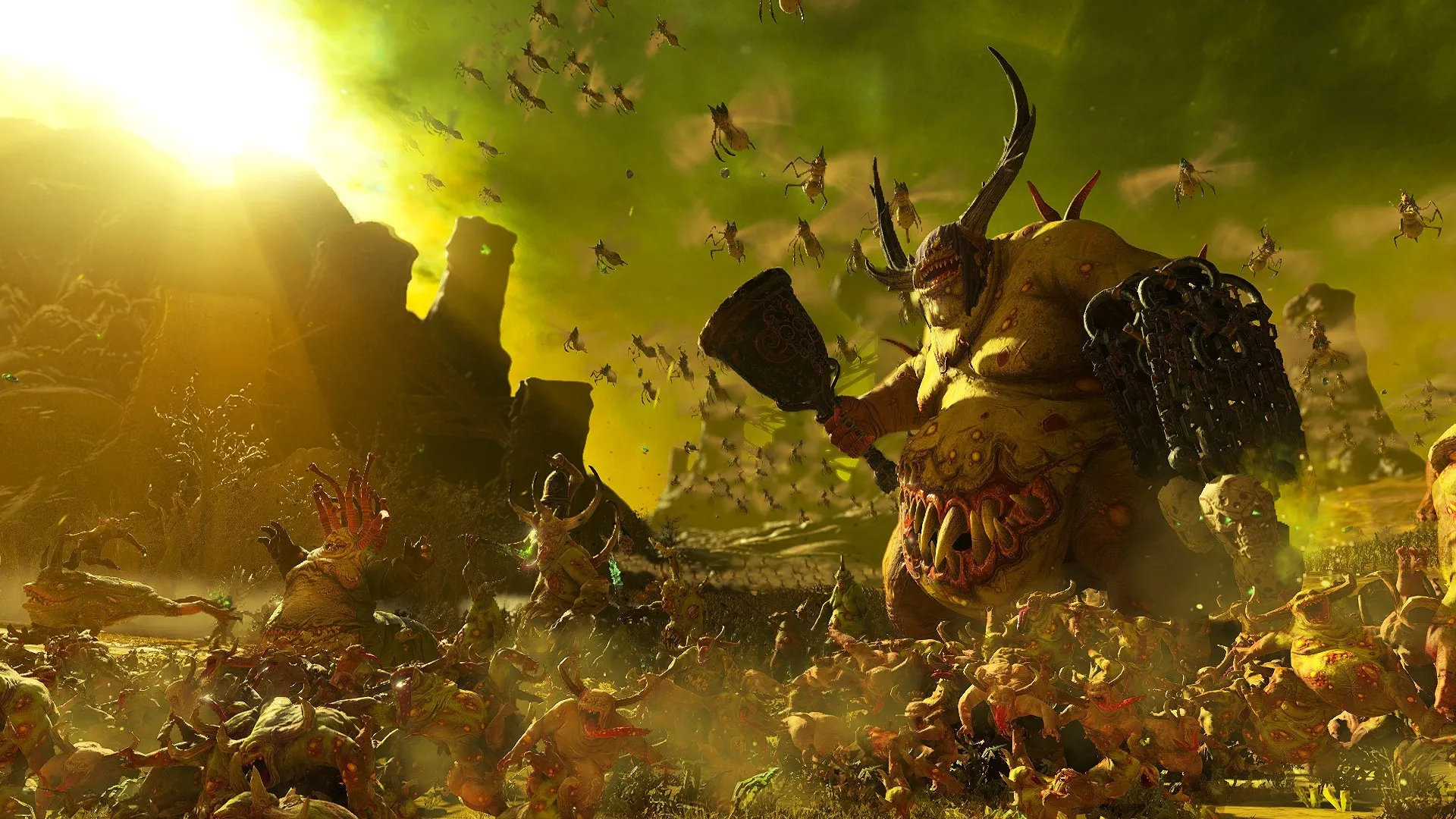
Several Chaos factions received redesigned corruption mechanics. Previously, Chaos Corruption often functioned as a passive stat line—important, but not particularly interactive. In 2025, corruption spreads more dynamically and brings tangible world effects, such as spawning cult uprisings and generating map-wide penalties for Order factions that ignore the threat.
New Ascension Paths
A major highlight was the introduction of Ascension Path bonuses, which allow Chaos Lords to unlock thematic campaign-wide perks that drastically alter playstyle. For example, a Khorne campaign can now emphasize battlefield attrition or global aggression, while Tzeentch can lean into political manipulation with expanded diplomatic events.
The Order Factions Become More Distinct
Order factions such as the Empire, Dwarfs, and High Elves received updates that clarified their battlefield purpose. Rather than homogenized mid-tier rosters, they now excel in roles matching their lore.
Empire: Regimental Identity
Empire players now manage regiments through a semi-unique logistics system that encourages balanced armies. Their mid-tier infantry holds longer, artillery reload speed was tweaked to increase impact, and new command abilities make combined-arms play more rewarding.
Dwarfs: The Return of Siege Dominance
Dwarf factions gained new siege utility tools that make them terrifying defenders once again. With improved tower mechanics and sturdier frontline troops, they can outlast most attackers if played carefully.
Horde and Hybrid Factions Receive Quality-of-Life Patches
Horde factions, often criticized for repetitive gameplay loops, benefited from streamlined camp mechanics and reduced micro-management. Armies now incorporate automated growth systems that remove tedious decision-making while keeping strategic control intact.
AI Advancements That Finally Changed the Meta
One of the biggest talking points in 2025 was the AI overhaul. Rather than focusing solely on difficulty scaling, the update improved thinking patterns, battle positioning, and campaign-map decision logic.
Smarter Battle Formations
AI armies now use terrain far more intelligently. Instead of charging blindly, ranged factions take higher ground, cavalry waits for flanking moments, and spell-casting Lords deploy high-impact spells earlier. This produces more cinematic and competitive encounters, especially for experienced players.
Better Threat Recognition on the Campaign Map
The AI now prioritizes protecting its economic hubs. It evaluates player invasions faster, coordinates defense more cohesively, and launches counterattacks once the player is overextended. The result is a map that feels less static and more like a living battlefield with real political tension.
The Evolution of Immortal Empires in 2025
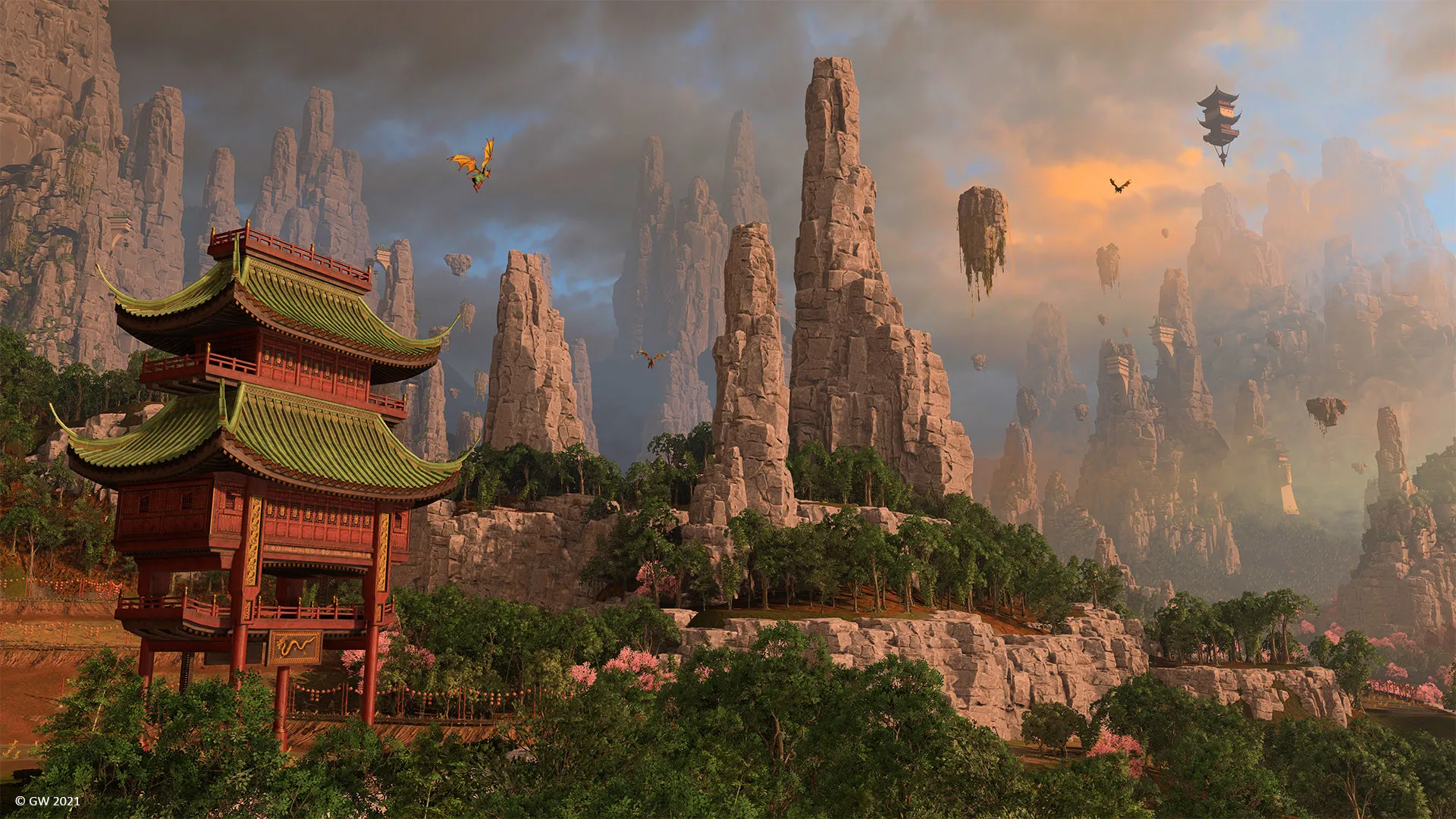
The Immortal Empires (IE) campaign mode has always been the crown jewel of WARHAMMER III. The 2025 updates expanded both its scale and stability.
Map Balance and Starting Positions
Some Legendary Lords were repositioned to reduce early-game choke points and diversify power dynamics. These adjustments allowed certain factions—especially those previously overshadowed by aggressive neighbors—to develop a more natural campaign flow.
Dynamic Objectives
IE now includes more branching victory conditions. Instead of linear domination goals, players can unlock faction-specific long-term quests that shape how the late game unfolds. This keeps campaigns fresh on repeat playthroughs and provides clearer direction for newcomers.
A Fully Redesigned Endgame Experience
The 2025 endgame overhaul stands out as one of the most impactful updates of the year. Complaints about the original endgame crisis—too chaotic, too punishing, too intrusive—pushed developers to rethink the structure entirely.
Tailored Crisis Difficulty
Instead of random frustration spikes, crises now scale more naturally with the player’s progress. They activate at set power milestones and react to global map conditions. Armies spawned by crises are more thematic, and their objectives align better with each faction’s role in the world.
Multi-Stage Crisis Phases
Endgame challenges now unfold in narrative stages. For example:
Phase One: Emergence
Scouts and minor armies appear, warning players of the coming storm.
Phase Two: Conquest
Major armies march toward strategic hubs, forcing players to decide where to stand their ground.
Phase Three: Cataclysm
A final wave introduces legendary foes or map-wide modifiers that push players to end the campaign decisively.
This structure adds cinematic weight without overwhelming the player unfairly.
Unit Roster Rebalancing That Revitalized Armies
The roster rebalance of 2025 focused on making underused units viable and restoring the fantasy identity of various factions.
Infantry Improvements
Heavy infantry across multiple factions received stamina and armor tweaks, reducing the dominance of ranged units. Melee-focused armies now perform significantly better in mid-tier engagements.
Ranged Unit Adjustments
To counter excessive ranged power, accuracy drop-off was reworked. Units now reward positioning more and punish misuse. Crossbows, bows, and firearms all feel distinct in their operational ranges.
Monsters and Large Units
Monsters now rely less on raw stats and more on ability synergy. Roar abilities, shock charges, and breath attacks gained new variants, creating more tactical decision-making.
A More Dynamic Diplomacy System
Diplomacy improvements in 2025 added depth without unnecessary complexity.
Personality-Driven Alliances
Factions now behave more in line with their lore:
Greenskins prefer opportunistic alliances
High Elves lean toward trade and influence
Chaos factions build temporary, destructive coalitions
These tendencies shape the political environment uniquely each campaign.
Event-Based Diplomacy Chains
New event chains trigger diplomatic shifts based on player behavior. These chains create mini-stories that influence wars, alliances, and betrayals, making diplomacy feel more reactive.
Visual and Audio Enhancements
While not the centerpiece of the updates, presentation upgrades in 2025 refined immersion and clarity.
Animation Polishing
Units move more fluidly, especially cavalry and flying monsters. Impact animations were synced better, enhancing battlefield readability.
Ambient Sound Overhauls
Multiple factions received richer ambient audio cues, improving atmosphere during campaign exploration and large battles.
Community Response and Competitive Meta Shifts
The community’s reaction to the 2025 updates has been largely positive. Many players praised the revived faction identity and improved pacing. Competitive multiplayer also saw a meta shift, with several factions rising in viability due to roster rebalances.
A Rise in Mid-Tier Viability
Mid-tier units across multiple races are now more reliable, reducing the dominance of elite spam builds. This broadened the competitive landscape and rewarded flexible strategies.
Streamlined Army Compositions
Players no longer rely as heavily on narrow unit combinations. Instead, mixed armies perform better thanks to synergy-focused patch changes.
The Future of WARHAMMER III After 2025
With so many improvements delivered in a single year, the future of WARHAMMER III looks promising. Developers hinted at continued support, and the introduction of new recruitment pipelines suggests groundwork for more Lords, factions, or campaign variations.
The game is now positioned not only as a strategy title but as a living fantasy battlefield that evolves with community input.
Conclusion
The 2025 updates transformed Total War: WARHAMMER III from an already ambitious strategy game into one of the most polished entries in the entire franchise. Through deep faction redesigns, smarter AI behavior, dynamic endgame crises, improved diplomacy, and meaningful campaign pacing, the game now offers an experience closer to the grand vision imagined at launch.
Whether you are a long-time fan returning to explore new reworks or a newcomer jumping into the Immortal Empires sandbox, WARHAMMER III in 2025 stands as a richer, more compelling, and more strategically rewarding world than ever before.