

Introduction
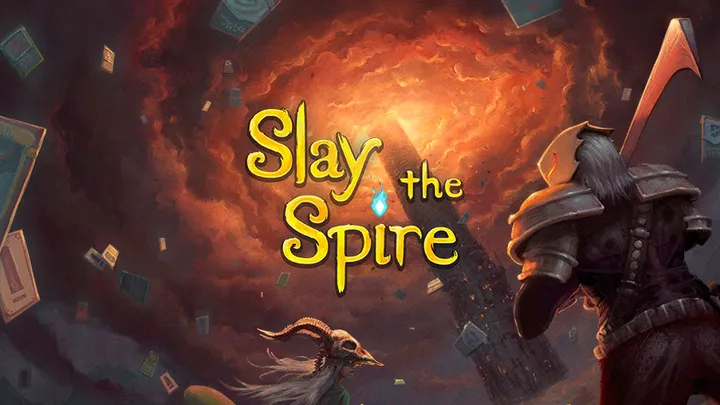
Slay the Spire is often credited with redefining digital card games. By combining deckbuilding mechanics with roguelike progression, it created a genre-defining formula that inspired dozens of imitators. Every run promises freedom: hundreds of cards, relics, paths, and encounters, all supposedly enabling wildly different playstyles.
Yet years after release, a growing discussion within the community highlights a subtle but important issue: as players gain knowledge, Slay the Spire’s apparent freedom of choice gradually collapses into a narrow set of optimal decisions. This article explores how design transparency, balance pressures, and player mastery transform a game of infinite possibility into one governed by meta convergence.
Choice as the Core Fantasy
A Game Built on Decisions
From its opening moments, Slay the Spire communicates a simple promise: every choice matters. Card rewards, map paths, upgrades, and shop decisions all shape the fate of a run.
This density of decisions creates constant tension. No choice is purely cosmetic—everything carries risk.
The Feeling of Endless Variety
Early runs feel wildly different. A strength-based Ironclad build plays nothing like a poison Silent run or an orb-focused Defect strategy.
The game thrives on this early sense of discovery.
Learning Reveals Hidden Hierarchies
Not All Cards Are Equal
As players accumulate experience, they learn a hard truth: many cards are situational at best, and some are actively harmful.
What once felt like preference becomes evaluation.
Knowledge Narrows Possibility
Instead of asking “What could work?”, experienced players ask “What is correct here?”
Freedom becomes conditional.
Win Rates Expose the Meta
High-Level Play Tells a Different Story
At high Ascension levels, the community has effectively mapped which strategies are viable.
Some archetypes disappear entirely.
Consistency Over Creativity
Winning consistently requires avoiding risky or “fun” builds in favor of reliable scaling and mitigation.
Creative experimentation becomes a luxury.
The Card Reward Problem
Choice Without Symmetry
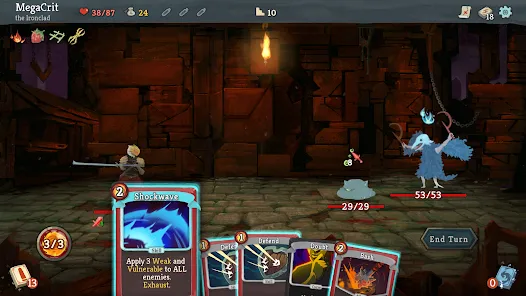
Card rewards often present three options—but frequently only one is viable.
The illusion of choice remains, but the outcome feels predetermined.
Skipping as Optimal Play
One of Slay the Spire’s most unintuitive lessons: sometimes the best choice is no choice at all.
This undermines the fantasy of constant growth.
Relics Shape Runs More Than Cards
Power Concentration
Certain relics drastically alter a run’s direction, overshadowing deckbuilding decisions.
When a relic dictates strategy, player agency diminishes.
Luck Over Intention
Runs can hinge on whether a key relic appears.
This randomness challenges the idea that choice alone determines success.
Pathing Choices Become Formulaic
Risk vs Reward Solved
Experienced players know optimal pathing patterns: elite density, campfire timing, shop positioning.
The map looks open, but routes quickly feel prescribed.
Fear Replaces Curiosity
Unknown paths are avoided—not explored.
Ascension and the Death of Flexibility
Difficulty as a Narrowing Force
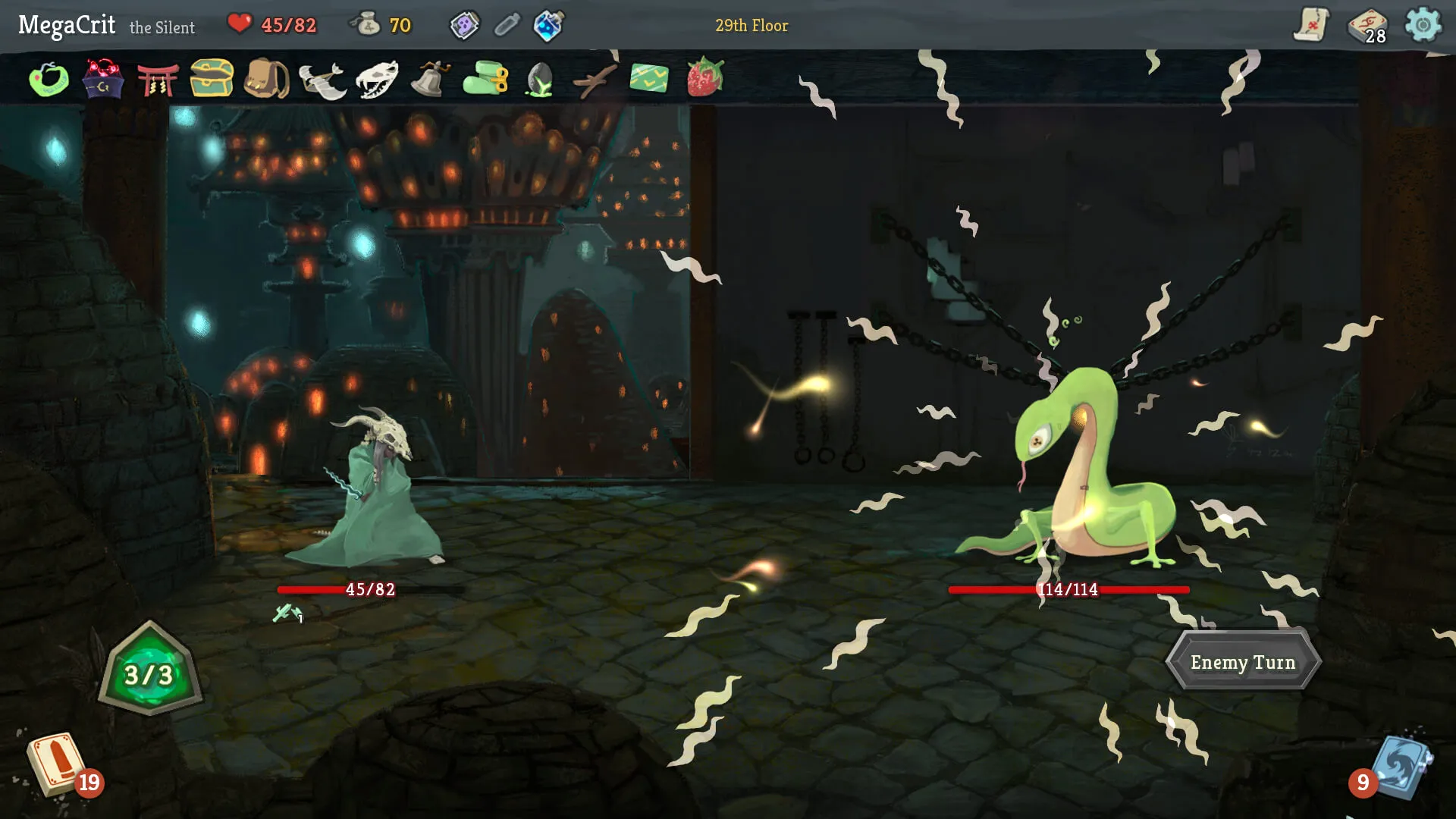
Higher Ascension levels reduce tolerance for experimentation.
Mistakes compound faster.
Survival Over Expression
Decks are built to endure, not to express identity.
When Synergy Becomes Obligation
Forced Scaling
Damage alone is not enough. Block engines, debuff mitigation, and scaling are mandatory.
Without them, runs die—regardless of creativity.
Deck Identity Shrinks
Many decks converge toward similar defensive cores.
Community Knowledge Accelerates Convergence
Shared Wisdom Reduces Discovery
Guides, tier lists, and win-rate data compress learning curves.
What once took dozens of runs to discover is now known instantly.
Solved Problems Lose Magic
When solutions are public, mystery fades.
The Psychological Cost of Mastery
Fun vs Correctness
Players often feel tension between playing creatively and playing optimally.
Choosing “wrong” cards feels irresponsible rather than playful.
Self-Imposed Constraints Fail
Even players who want to experiment often revert to safe decisions under pressure.
Why the Illusion Persists
Complexity Masks Narrowness
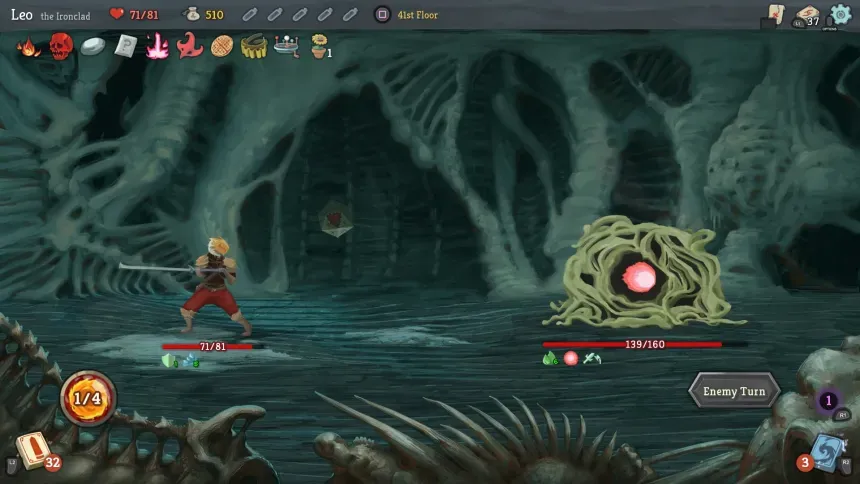
The sheer volume of options hides how many are effectively unusable at high levels.
Variety exists—but only at lower difficulty.
Early Experiences Define Reputation
Most players never reach Ascension levels where convergence is strongest.
The illusion remains intact for the majority.
Lessons for Deckbuilding Games
Choice Needs Viable Diversity
True freedom requires multiple competitive paths—not just theoretical ones.
Risk Must Be Rewarded
Creative builds need meaningful upside to justify danger.
Why Slay the Spire Still Endures
Tight Balance Is Still Impressive
Even with convergence, the game remains extraordinarily well-balanced.
Mastery Is Its Own Reward
For many players, solving the system is the joy.
Conclusion
Slay the Spire offers one of the richest decision spaces in modern gaming—but as mastery increases, that space contracts. Knowledge transforms freedom into obligation, and choice into evaluation.
This is not a failure, but a trade-off. Slay the Spire chooses fairness, clarity, and consistency over chaotic freedom. In doing so, it reveals a fundamental tension at the heart of design: when a game becomes solvable, creativity must work harder to survive.
160-character summary
Slay the Spire’s deckbuilding freedom slowly collapses as mastery reveals optimal paths, turning choice into evaluation and creativity into risk.